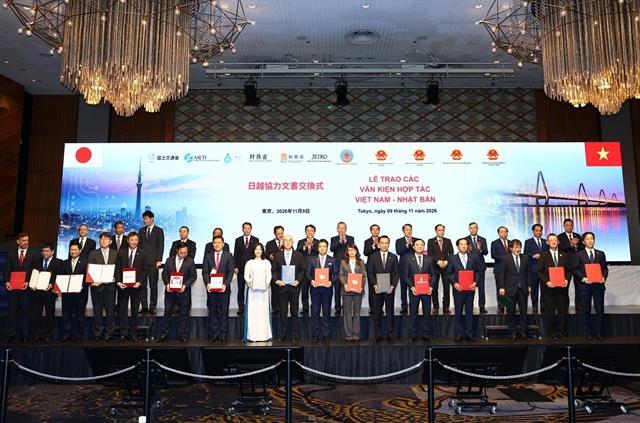
Under the framework of the agreement, the parties will work together to explore and develop training programmes for a highly qualified workforce, connect with universities and research institutes in Japan, and seek scholarship support.
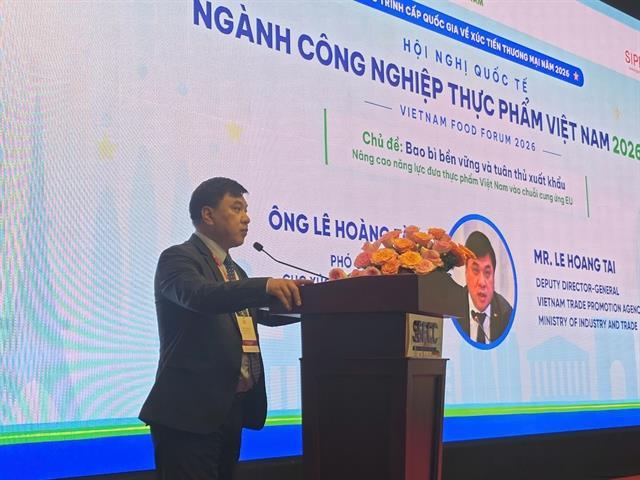
Meeting the EU’s increasingly stringent food safety, packaging and sustainability standards is key to helping Vietnamese food exporters tap the bloc’s market potential.
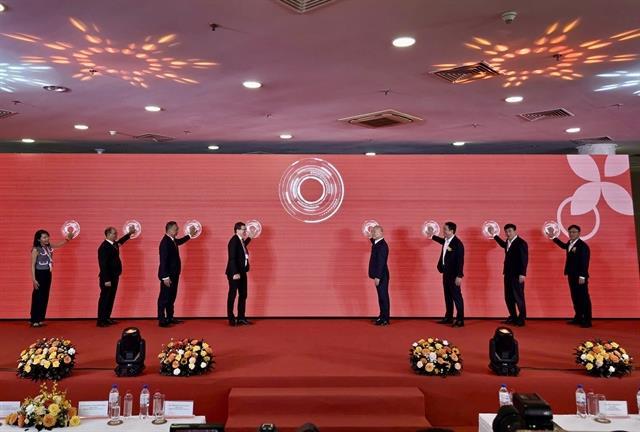
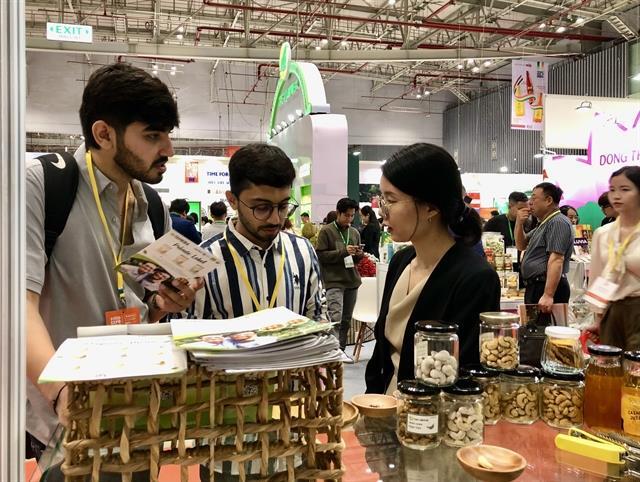
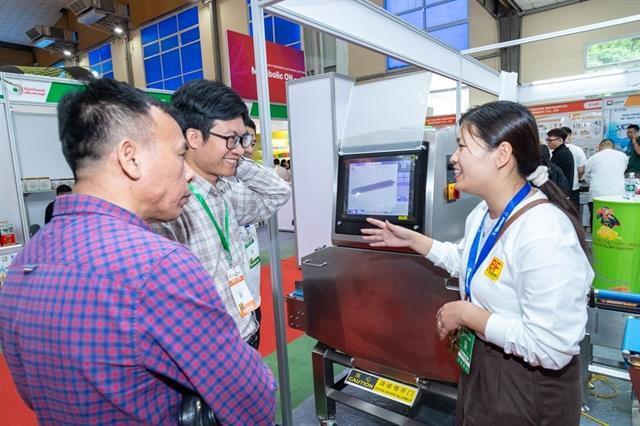
The 2026 Vietnam International Food Industry Exhibition at the Saigon Exhibition and Convention Centre runs until November 14, and is expected to attract more than 25,000 trade visitors, helping Vietnamese producers expand domestic distribution and explore export markets.
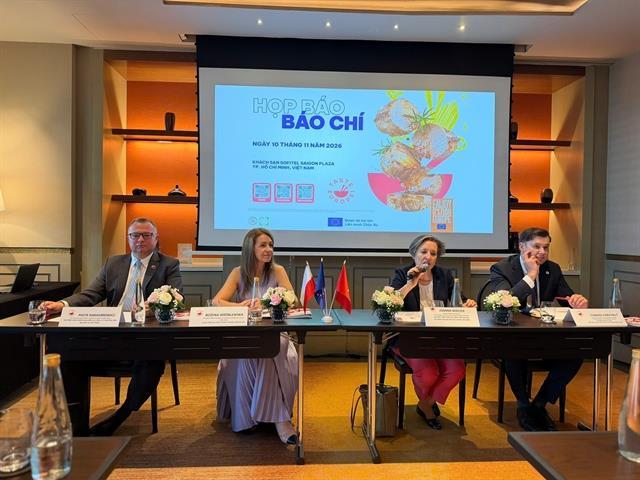
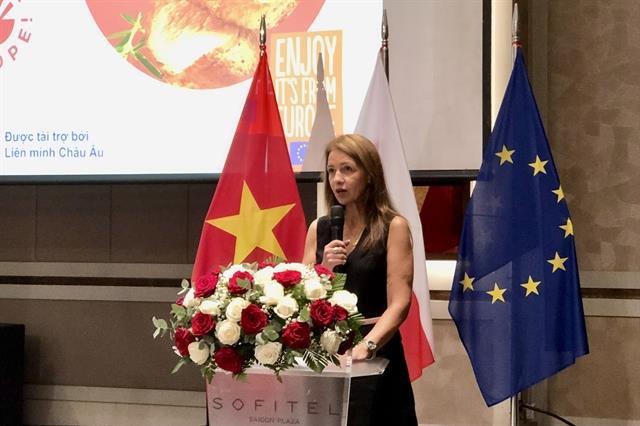
Poland is stepping up efforts to expand its agri-food exports to Việt Nam, focusing on meat, processed food and fruit, while seeking stronger partnerships with local importers, distributors and retailers.
For more than a decade, the annual event has grown into one of Việt Nam’s largest international trade promotion platforms for the food processing, agricultural and seafood industries.
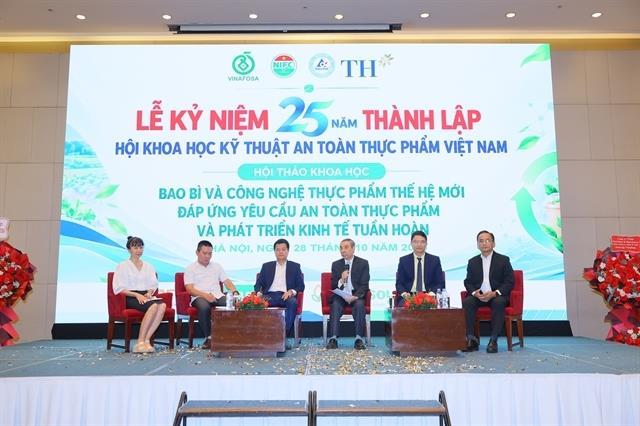
Packaging not only contains, preserves and transports food but also plays a direct role in controlling food safety risks, reducing environmental impacts and promoting a circular economy.
During the event, Vietnamese companies will showcase processed foods, agricultural produce, seafood, spices, confectionery, coffee, tea and other beverages, while international firms will present goods from overseas markets.
The tighter requirements in Indonesia reflect a broader trend in global food markets, where exporters increasingly need to comply simultaneously with standards covering safety, traceability, certification, packaging, emissions and product data.
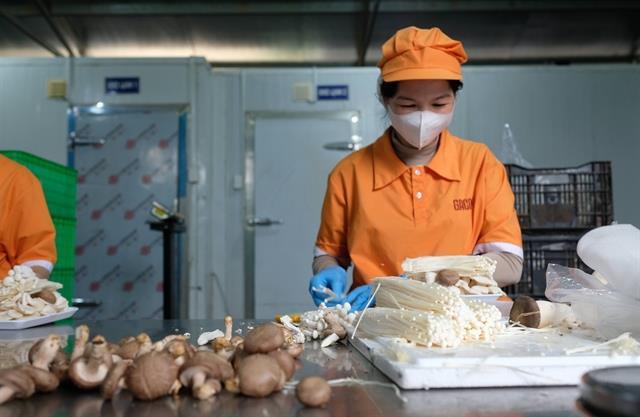
The city encourages businesses to research and apply post-harvest technologies and deep-processing solutions to make better use of by-products and increase the value of agricultural products.
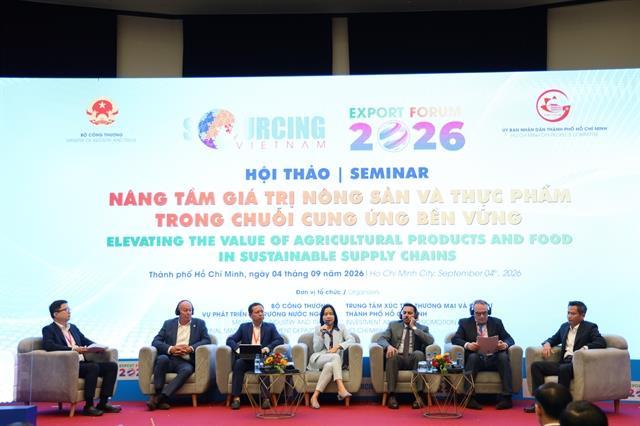
Vietnamese businesses need to move agricultural and food exports up the value chain, shifting from raw products and volume-driven growth towards higher-value, processed and branded goods as global standards on quality, traceability and sustainability become increasingly stringent, according to officials...
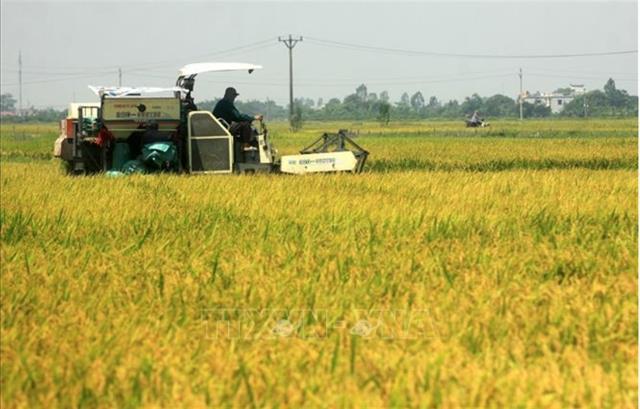
The association particularly urged businesses to buy fragrant and high-quality varieties, such as DT8 and OM18, at prices of VNĐ7,000 (US$0.27) per kilogramme or higher.
Polish businesses are looking beyond expanding food exports to Việt Nam by increasingly sourcing Vietnamese agricultural products for the European market, highlighting growing opportunities for two-way agricultural trade between the two countries.
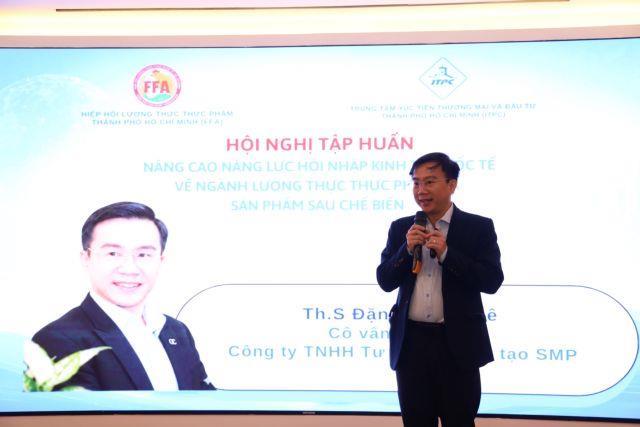
While free trade agreements do open up huge export opportunities, tariff preferences only truly deliver efficiency when businesses meet increasingly stringent requirements in terms of quality, environment, and traceability, a training workshop heard in HCM City on July 16.